Why Toenail Fungus Keeps Coming Back —
And What a Former White House Physician Discovered
Researchers found the infection hides deep in the nail bed behind a protective shield that creams and common treatments never touch — and a physician who spent decades in elite medicine says it changes everything.
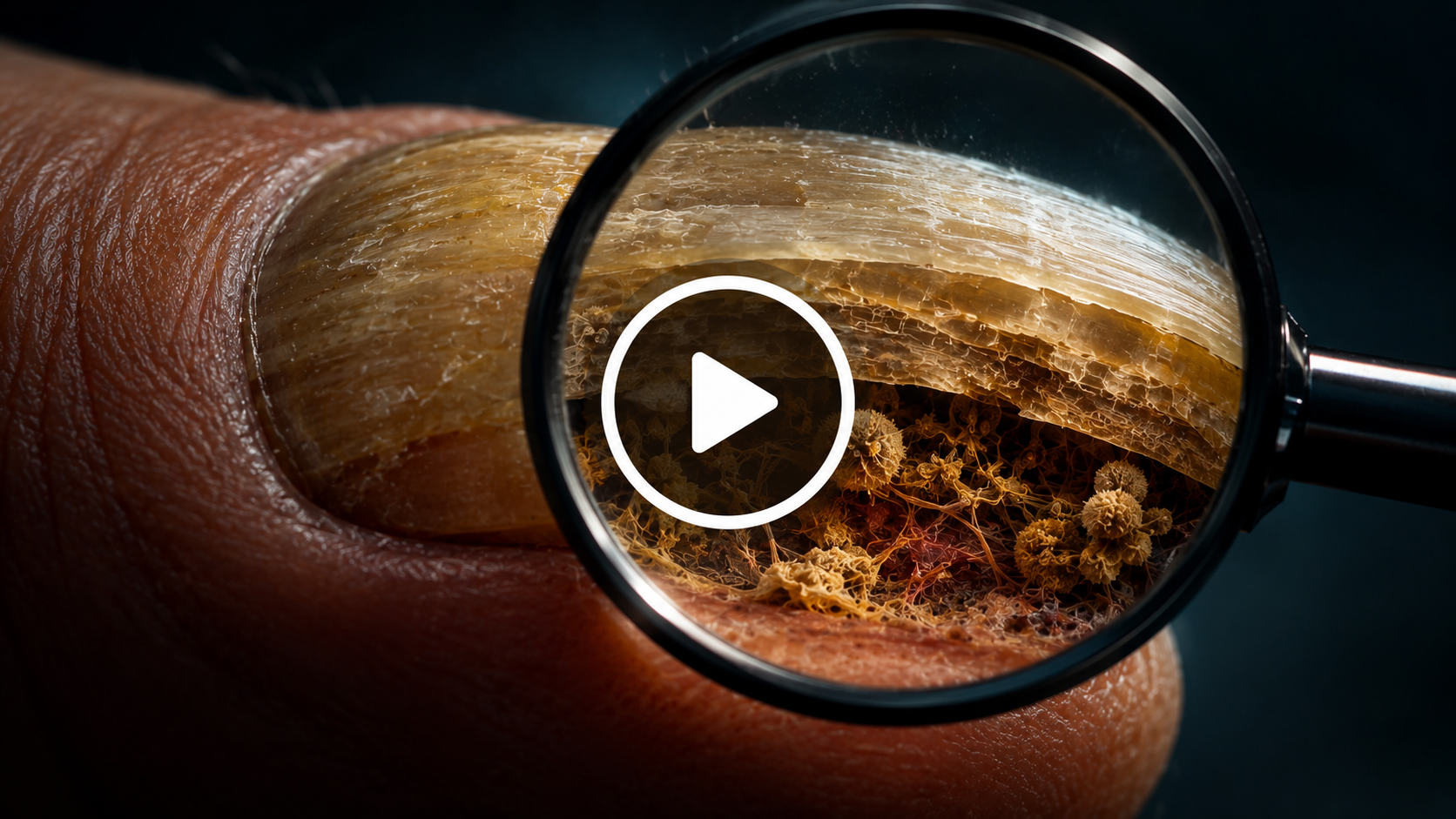
If you've tried creams, lotions, soaks, home remedies, or even prescription pills… and the fungus either didn't budge or came right back, sometimes even worse…
you're not doing anything wrong — and it has nothing to do with your hygiene.
According to researchers at Johns Hopkins University, the real problem with toenail fungus isn't on the surface of the nail. The fungus settles deep in the nail bed — the hidden layer where new nails grow — and builds a protective shell around itself that blocks creams and common treatments from ever reaching the infection.
That's why the creams seemed to help for a few days, then the fungus returned. That's why the tea tree oil, the vinegar soaks, and the baking soda did nothing long-term. And that's why even prescription antifungals — which the FDA has linked to serious liver risks — often leave people right back where they started.
You were never fighting the fungus. You were fighting the shield protecting it.
If any of this sounds familiar, this video was made for you:
- You've tried creams, soaks, and home remedies with no lasting result
- The fungus seemed to improve, then came back stronger than before
- Your nail is thickening, yellowing, or starting to crumble at the edges
- You're watching it spread to other toes and feel powerless to stop it
- You've started hiding your feet — at the pool, the beach, or even at home
- You've worried it could spread to your skin or to the people you live with
Dr. James Whitmore served for over 15 years as a White House physician and led medical research projects focused on protecting people in some of the harshest environments on earth, where fungal infections are a constant threat and failure is not an option.
When conventional approaches kept hitting the same wall, he and his team went looking for a way around it. What they found goes against much of what the pharmaceutical industry wants you to believe.
In the free video below, you'll see exactly what was discovered — and why it's completely different from anything you've tried before.
- Why the shield beneath your nail makes surface treatments practically useless
- What Johns Hopkins and Walter Reed researchers found about the true root cause
- Why toenail fungus has nothing to do with hygiene — and what actually makes it spread
- Why prescription antifungals carry liver risks most patients are never warned about
- How a man's own battle with this infection led him to a discovery that changed his family's life
- Why the longer it goes unaddressed, the harder it becomes to reverse
Important: In more advanced cases, toenail fungus can spread beyond the nail to the skin and to other people in your household. For people with diabetes or weakened immune systems, the risks are significantly higher. If you've been dealing with this for months or years, the time to understand the real cause is now.